
as seen in our childhood: the tv ads that raised us.
Updated: Dec 8, 2025

there was a time when “scrolling” meant flipping channels. saturday mornings meant cereal dust on your fingers and the blue glow of cable TV, a portal where ads weren’t just interruptions; they were part of the ritual.
you didn’t skip them. you memorized them.
they shouted, sang, sparkled, and sold you dreams, from talking pets, spinning tops, to snacks shaped like tiny galaxies. the 2000s were an era when commercials didn’t just sell products; they built entire childhood mythologies. each one was almost like a miniature movie, complete with catchphrases, sound effects, and impossible promises. and we believed every second of it.

the age of noise
“pull it! twist it! bop it!”
that voice still echoes somewhere in my memory; fast, urgent, and a little unhinged.
the early 2000s were loud. everything from bop it extreme to skip-it turned playtime into competition, and the commercials reflected that chaos. every ad was a sensory explosion with flashes of color, strobe cuts, kids yelling, and announcers narrating like they were at a monster-truck event. the term “quiet luxury” was not a thing in the 2000s, it was all neon, noise, and pure dopamine.
toys like furby blurred the line between alive and mechanical. they blinked, they talked back, and they were somehow always watching. this was our first taste of “smart” tech before we even had smartphones. furby was unsettling, sure, but also mesmerizing. you didn’t just own a toy; you activated it.
even playground classics like tech decks and beyblades came with the energy of a battle sport. “let it rip!” wasn’t just a slogan, it was a cultural event. the ads made you feel like spinning plastic tops could decide the fate of the universe.
everything about the toys we grew up with screamed interaction. the world around us was starting to hum with digital energy, and these ads mirrored that by being restless, colorful, and endlessly in motion.

but wait, there’s more!
if saturday mornings were for cartoons, late nights were for infomercials… and those had their own mythology.
shamwow. oxiclean. the clapper. snuggie.
these weren’t just products; they were characters in the grand soap opera of cable television. the pacing was hypnotic, whether it was a host with too much energy, a spotless kitchen, and/or the rhythmic repetition of miracles in action. billy mays yelled like your dad at a barbecue, vince from shamwow delivered punchlines like a stand-up comic, and every single product promised to change your life forever.
the phrase “But wait, there’s more!” was a spell, one that turned consumerism into performance art.
these ads taught us the art of spectacle. they were shot with saturated lighting and over-the-top optimism, the kind that doesn’t exist in real life. in a world before algorithms and influencer sponsorships, these infomercials felt weirdly honest. they were not subtle, but sincere in their absurdity.
and the best part? even if you didn’t buy the product, you still remembered the feeling. that mix of late-night boredom and wonder, sitting cross-legged on the carpet, half believing that this $19.99 gadget might actually be life changing.
plastic futures
the 2000s were obsessed with the future, but in plastic form.
this was the era of hitclips, those tiny keychain players that let you own sixty seconds of a song. the commercials promised the thrill of carrying your favorite artists in your pocket, even if it was just the chorus. it was the first time music felt portable and personal, like the world was getting smaller, but cooler.
then came idog, a robotic pet that danced to your ipod music. looking back, it was silly, but in the moment, it was magic. you could plug in your MP3 player, and this chrome little creature would nod along like your best friend. it was the dream of companionship through technology, wrapped in glossy white plastic.
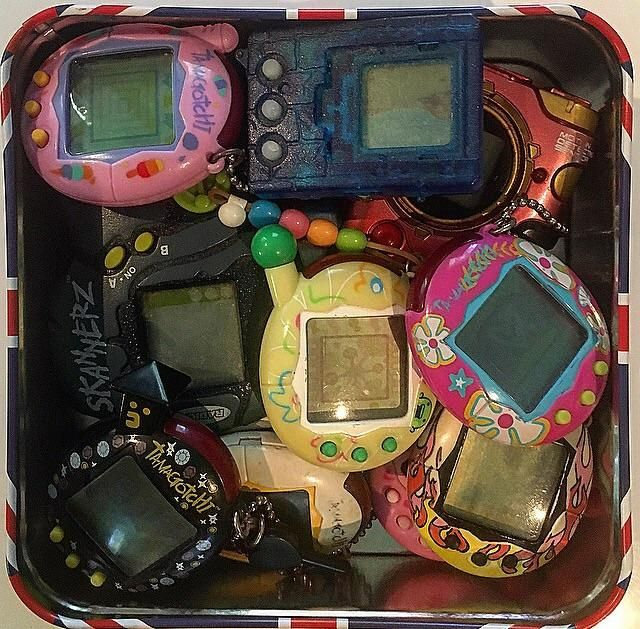
and of course, tamagotchis, the digital eggs that lived, died, and guilt-tripped us into caring. the ads showed smiling kids feeding their pixel pets and learning “responsibility,” but in reality, we were forming the first emotional attachments to virtual life.
this was most likely the dawn of digital empathy. the bridge between the analog world of toys and the digital universe we now inhabit. every beep, every glowing screen, was a small rehearsal for the relationship we’d one day have with our phones.
we didn’t know it, but we were raising the future in our backpacks.

the aesthetic of want
there’s a reason you can still picture those commercials in your head.
the colors. the sound effects. the impossible energy.
they were perfectly engineered to make wanting feel good. bratz dolls strutted across glittering cityscapes; razor scooters zipped through skate parks with pop-punk guitar riffs; easy-bake ovens baked cupcakes under a soft pink glow of empowerment. every toy had a world, and every world had its own logic of cool.
for kids, commercials were a form of identity building. you didn’t just want the toy; you wanted to belong in its universe. beyblades were for kids who wanted to compete. bratz were for the fashion-forward rebels. hitclips were for the ones who wanted to feel plugged in, even if their song cut off before the bridge.
looking back, these ads were like design lessons wrapped in chaos. they taught us color theory, sound branding, and emotional triggers like friendship, competition, and individuality. they were little bursts of visual culture that made consumerism feel communal, like it was a collective language of “did you see that commercial?”
rewinding the tape
now, in an age where we skip every ad and mute every autoplay video, there’s something strangely comforting about remembering a time when commercials were events.
they were loud, messy, and full of unfiltered enthusiasm. they didn’t target you based on your data; they just threw everything at everyone and hoped you’d care. and we did.
there’s nostalgia in that chaos, in the fact that every kid saw the same commercials, hummed the same jingles, and begged their parents for the same overhyped toys. these ads were more than marketing; they were cultural glue.
back then, the tv didn’t personalize the experience, it broadcasted it.we all sat in the same glowing light. we all wanted the same things. and somehow, that made it feel like the world was smaller… in the best way.
now, the noise is different. it’s digital, curated, algorithmic. but somewhere deep down, we still crave that loud, clunky magic; the chaos of an ad break between cartoons, the voice shouting “call now!”, and the dream that this one thing might just make everything better.


Comments